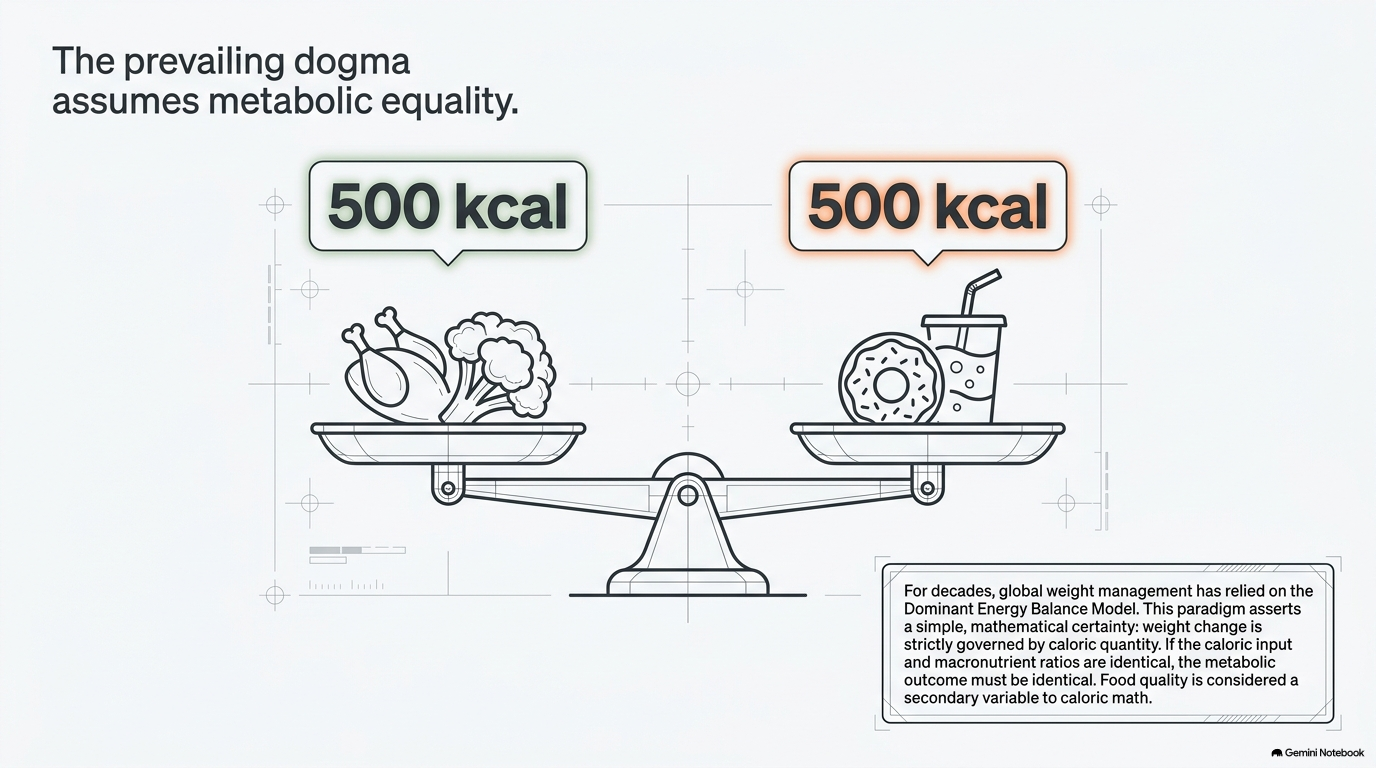
Beyond Calories: The Compounding Factors of Weight Management
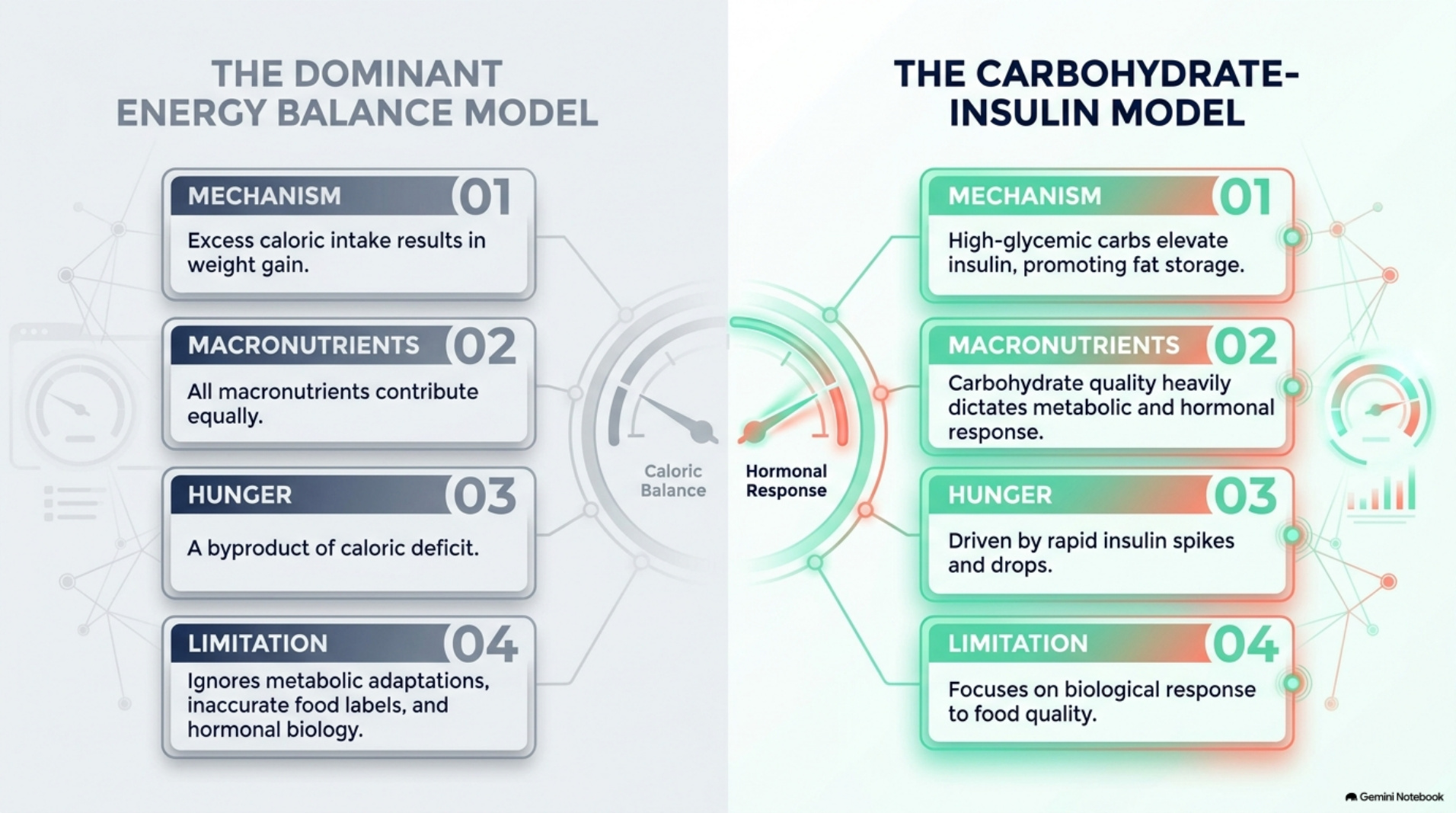
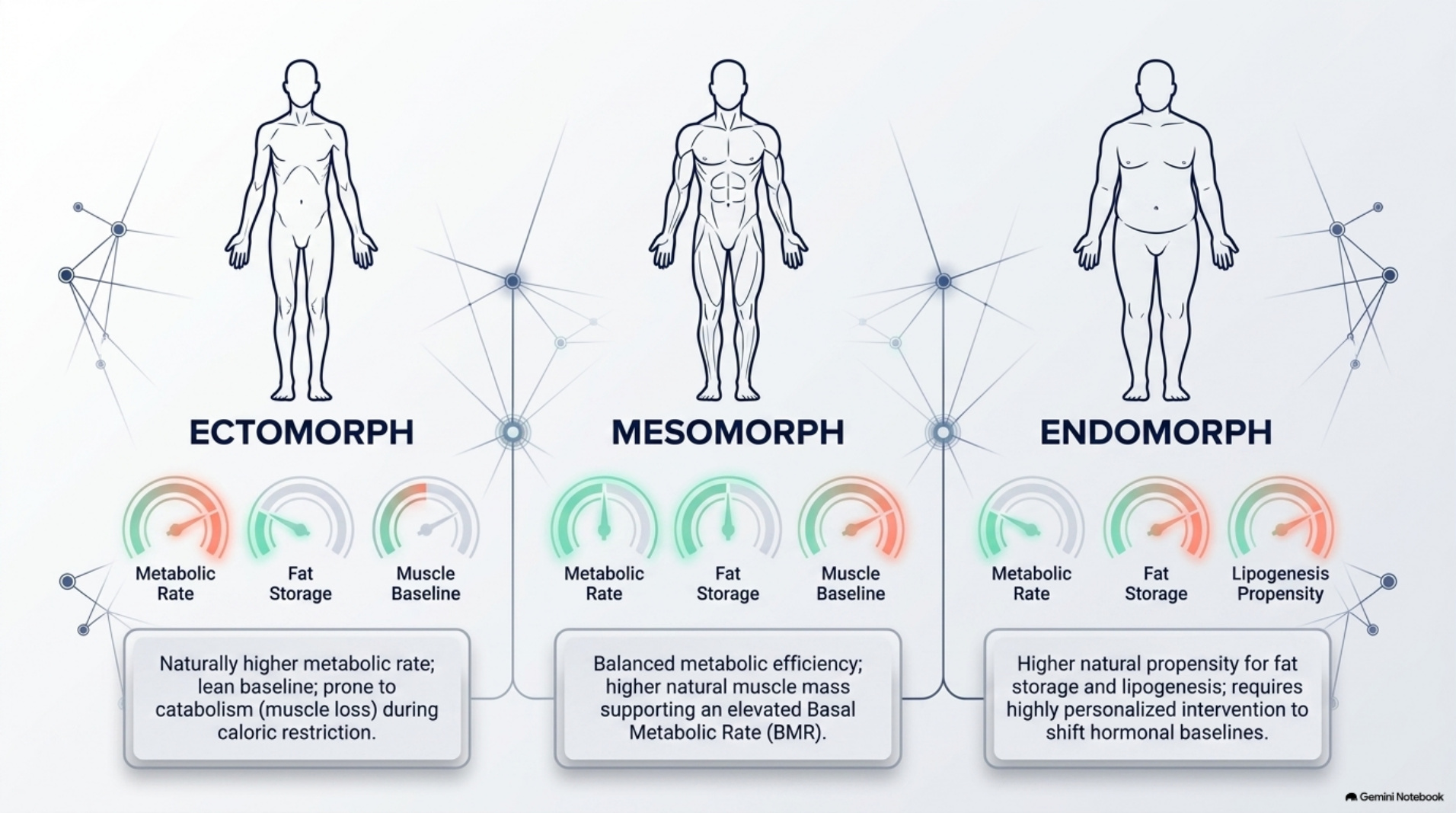
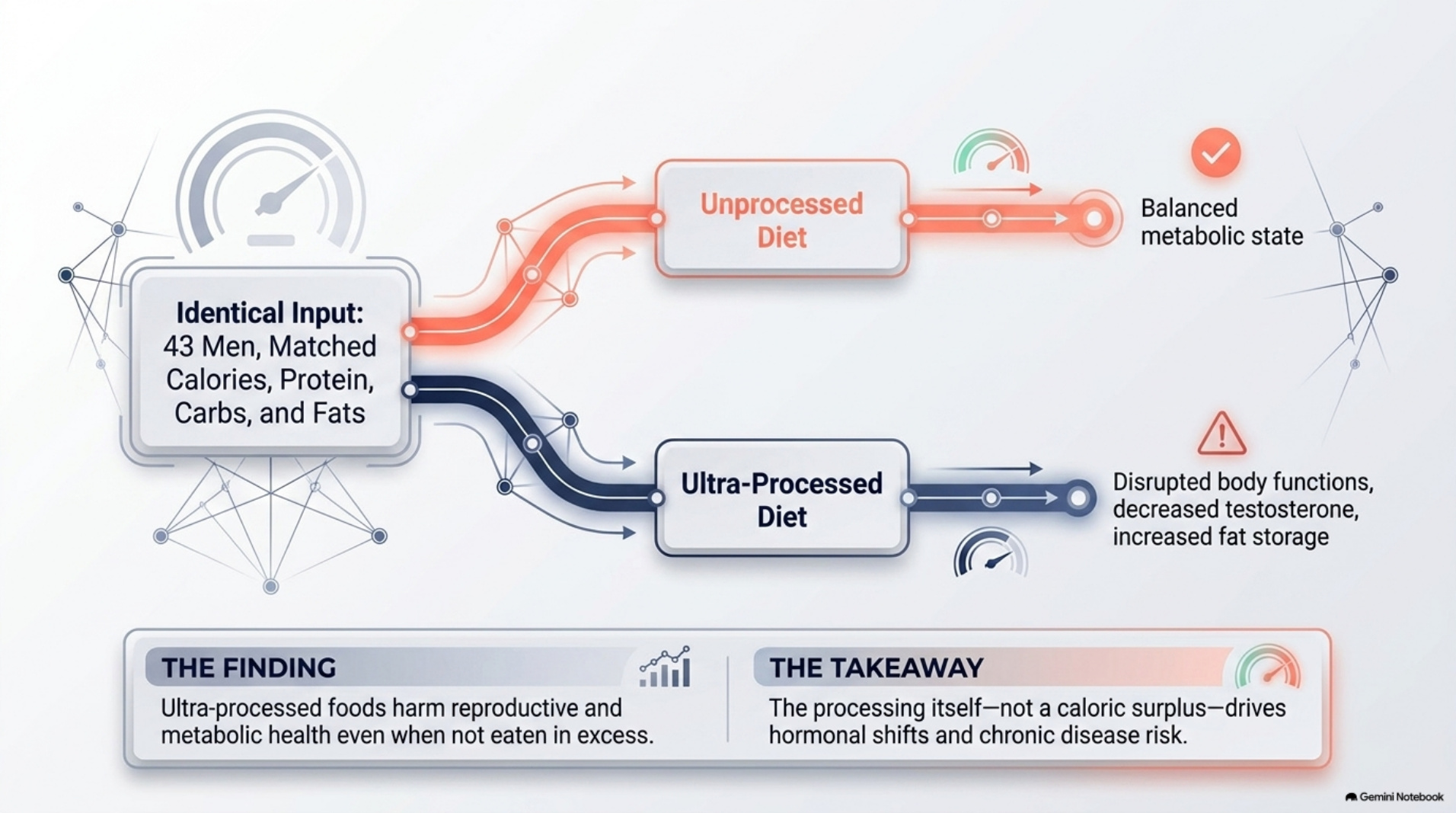
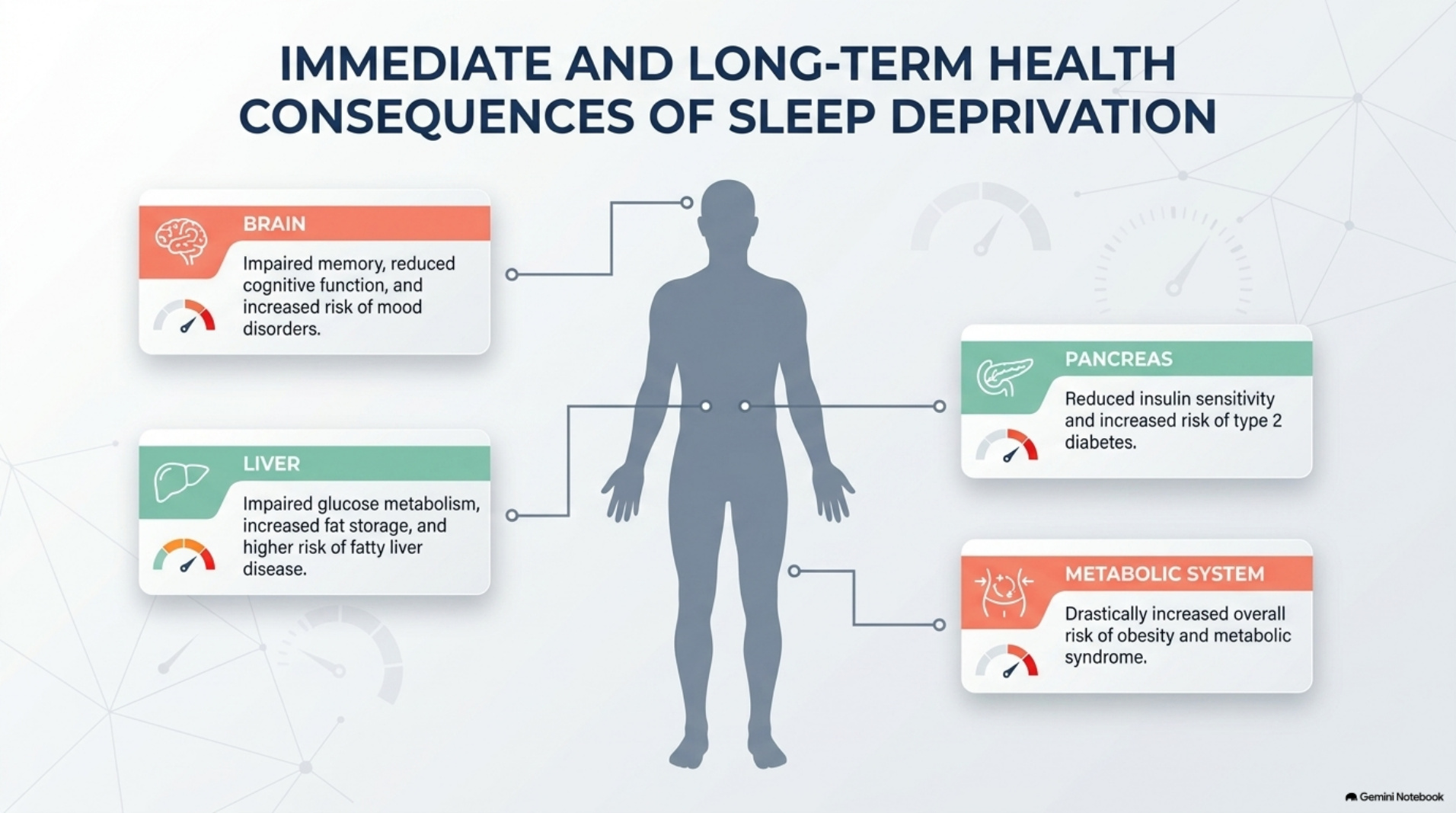
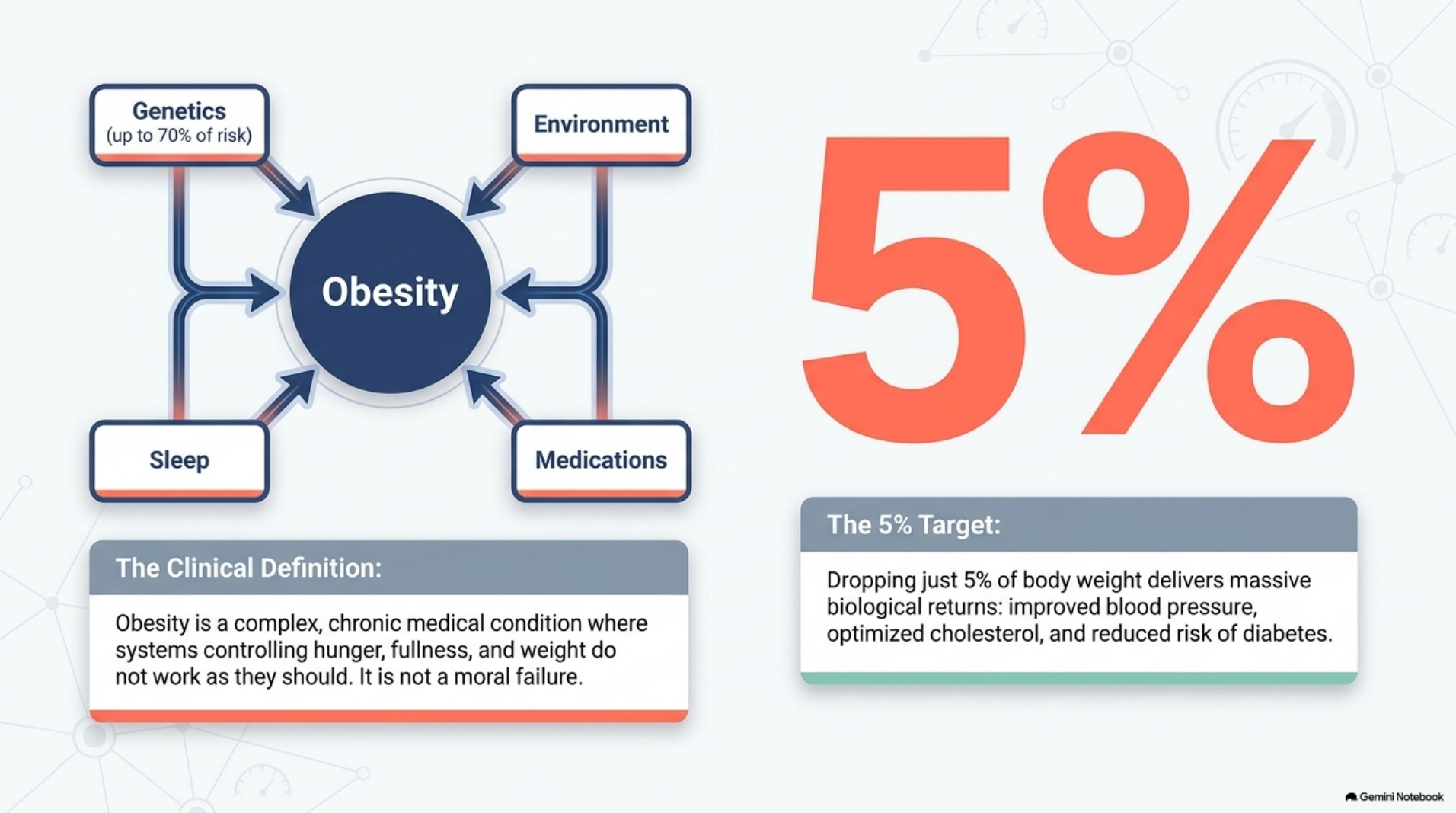
The calories-in, calories-out model explains some of weight management and almost none of its difficulty. The compounding view — the one that actually matches patient experience — looks at the metabolic factors underneath: hormonal regulation, insulin response, metabolic adaptation, and the biological systems that determine how the body stores and releases energy.
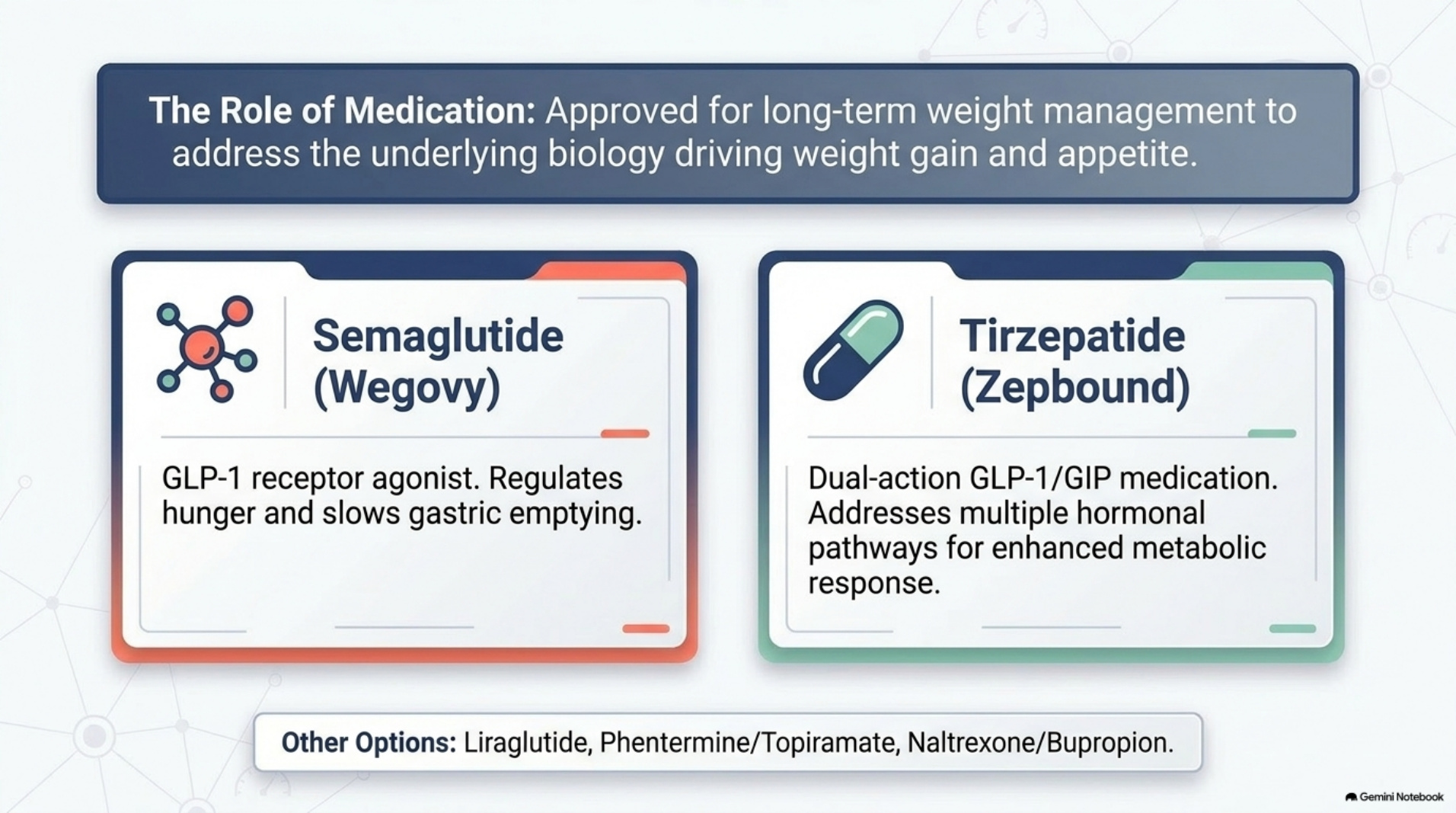
The modern medical toolkit adds a new layer: GLP-1 medications that directly influence the hormonal systems behind appetite and satiety. The guide positions these as what they are — powerful tools within a larger metabolic picture, not standalone solutions.
Patient empowerment comes from understanding the compounding factors instead of fighting them blind. When you know why your body responds the way it does — and what the medical options can actually change — the decisions become clear, and the process stops feeling like a battle of willpower.



Ready for a Professional Review?
We can connect you with qualified local professionals who work on projects like yours.
Get Matched with Local providers