What is a somatotype and does it matter for weight loss?
Your somatotype — ectomorph, mesomorph, or endomorph — describes how your body is built and how it handles calories, hormones, and exercise. It matters because the same diet and GLP-1 dose can produce very different results depending on your body type's baseline metabolism and hormone profile. If you are here looking into weight management clinic, the sections below walk through the process from the first quote to the finished job.
The three body types, explained
| Feature | Ectomorph | Mesomorph | Endomorph |
|---|---|---|---|
| Build | Lean, linear | Athletic, muscular | Rounder, energy-efficient |
| Baseline metabolism | Fast BMR; low baseline insulin | Elevated BMR from muscle mass | Lower BMR; insulin, leptin, cortisol sensitive |
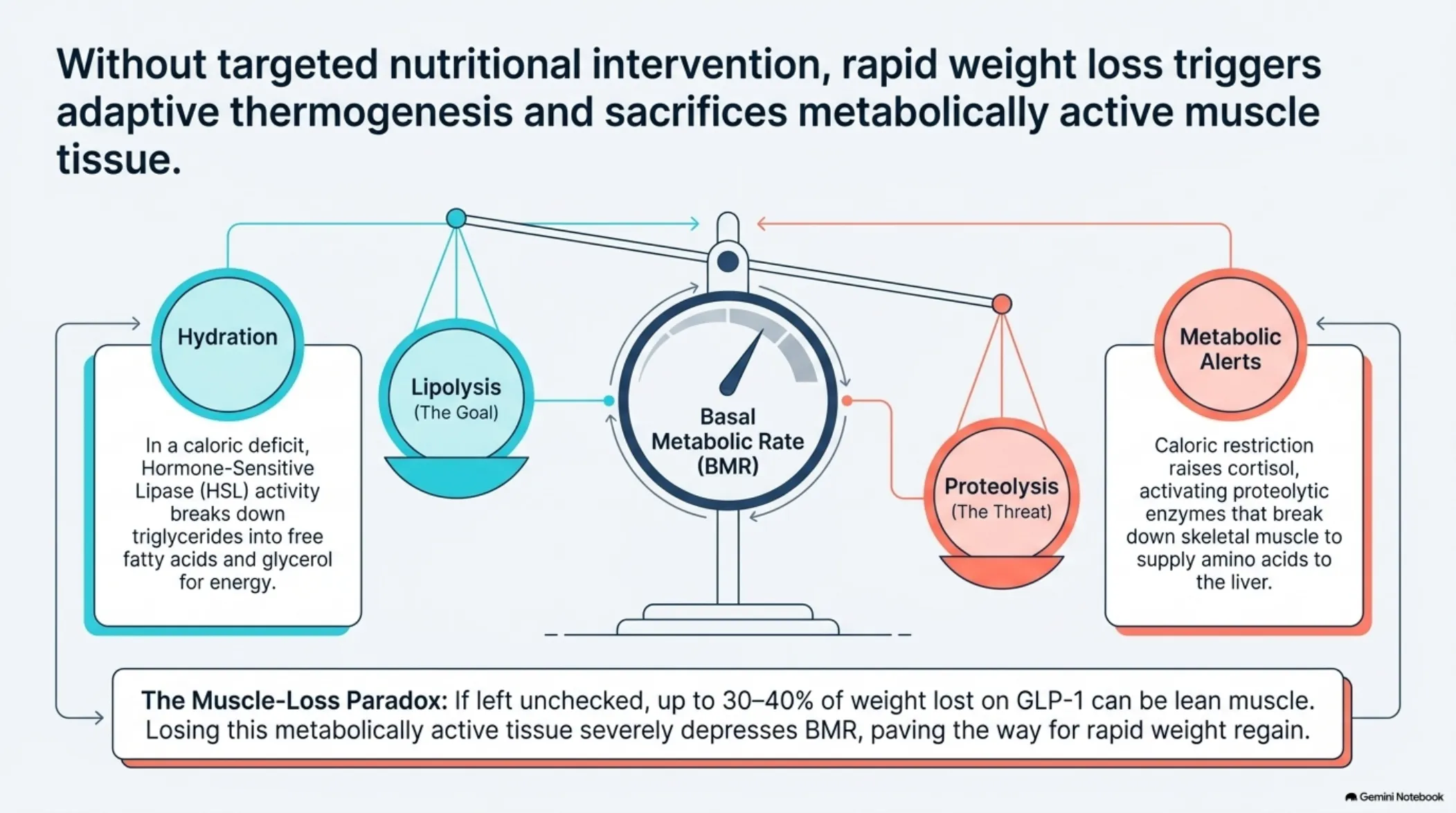
| Greatest risk | Muscle loss in a deficit | Low vulnerability | Visceral fat storage under stress |
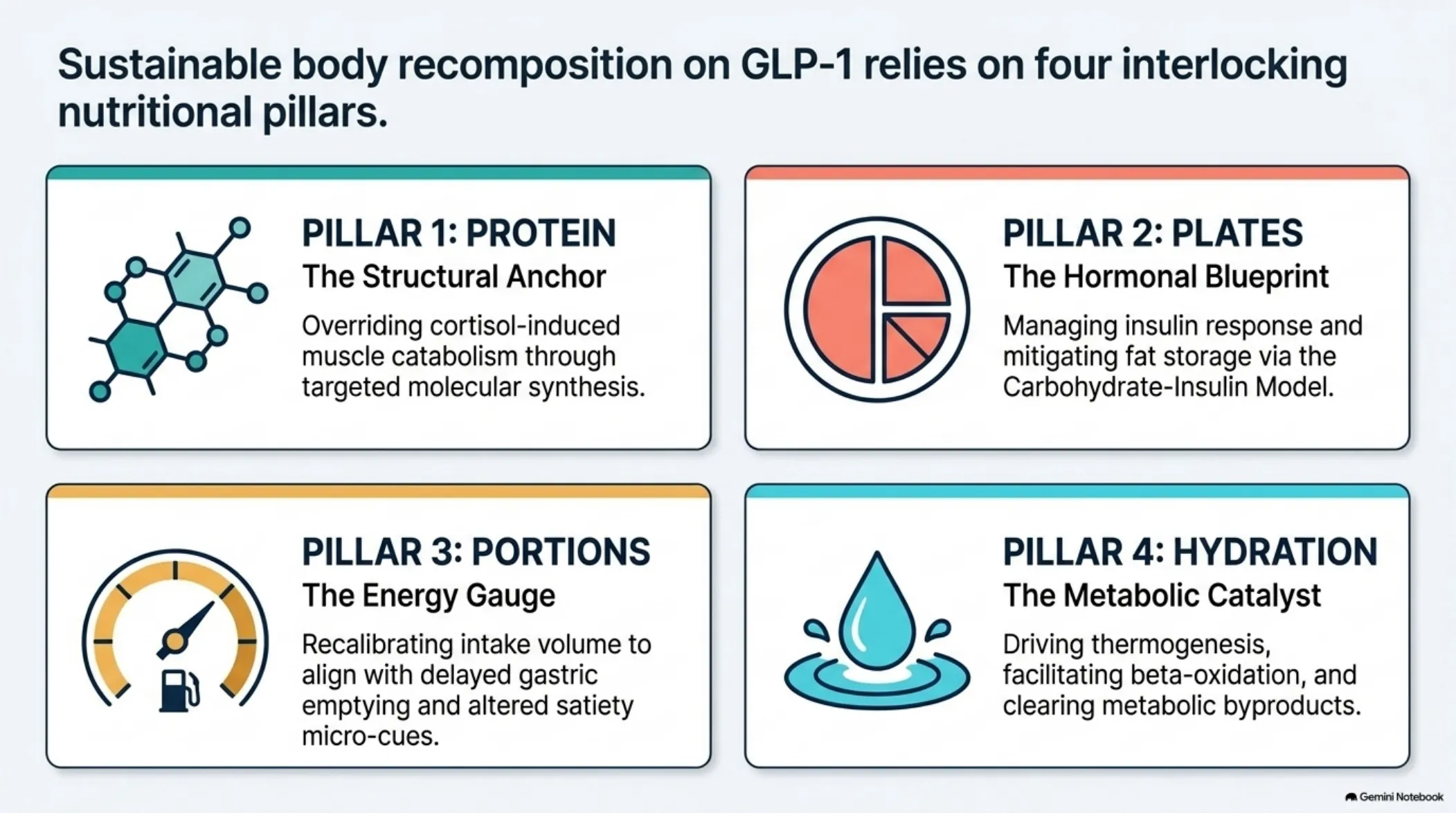
| Nutrition target | High-protein, calorie-dense | Balanced macronutrients | Low-glycemic framework |
| Exercise protocol | Progressive resistance | Aerobic + strength (combined) | Cortisol management + tailored training |
How this changes your GLP-1 plan
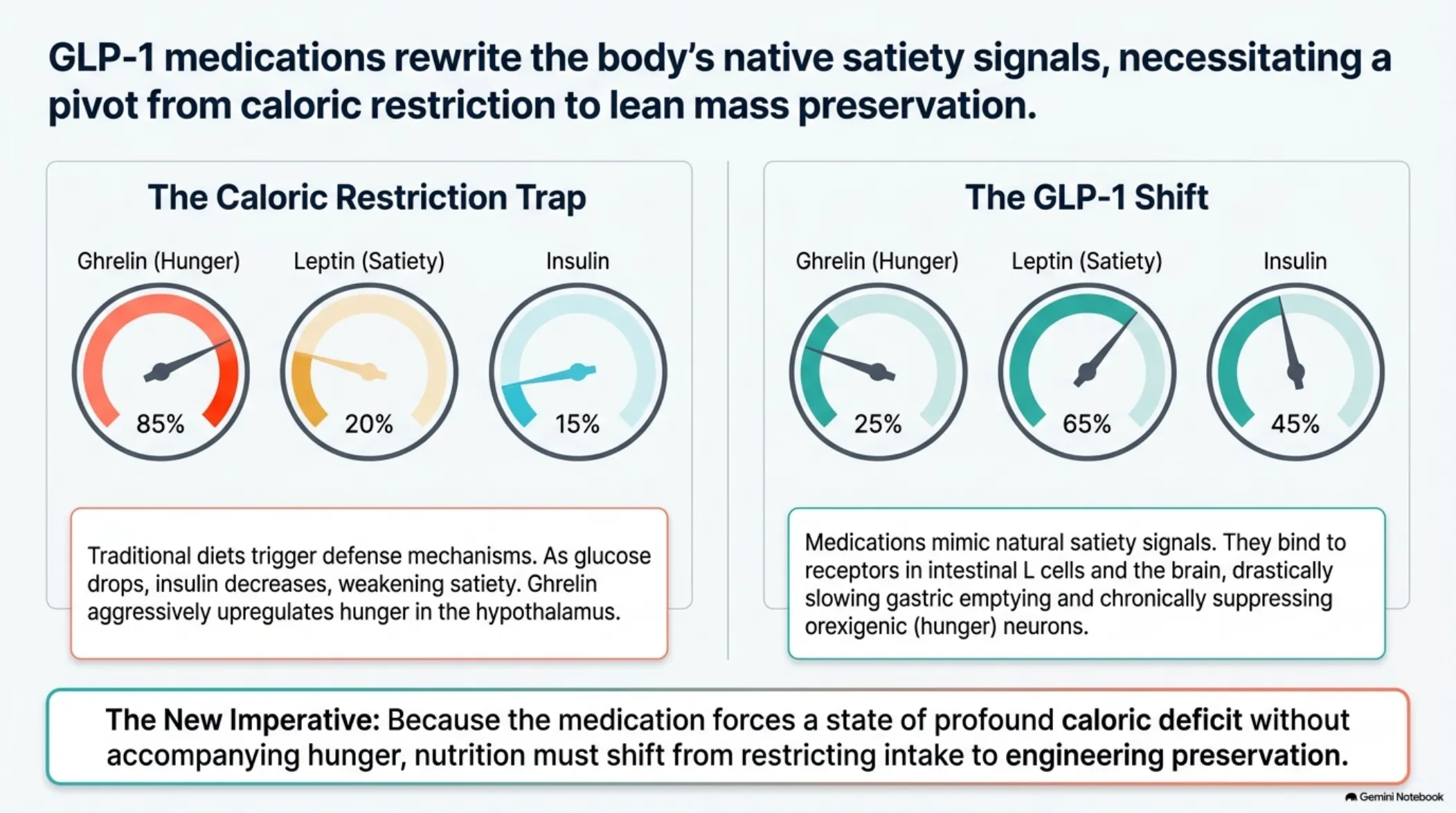
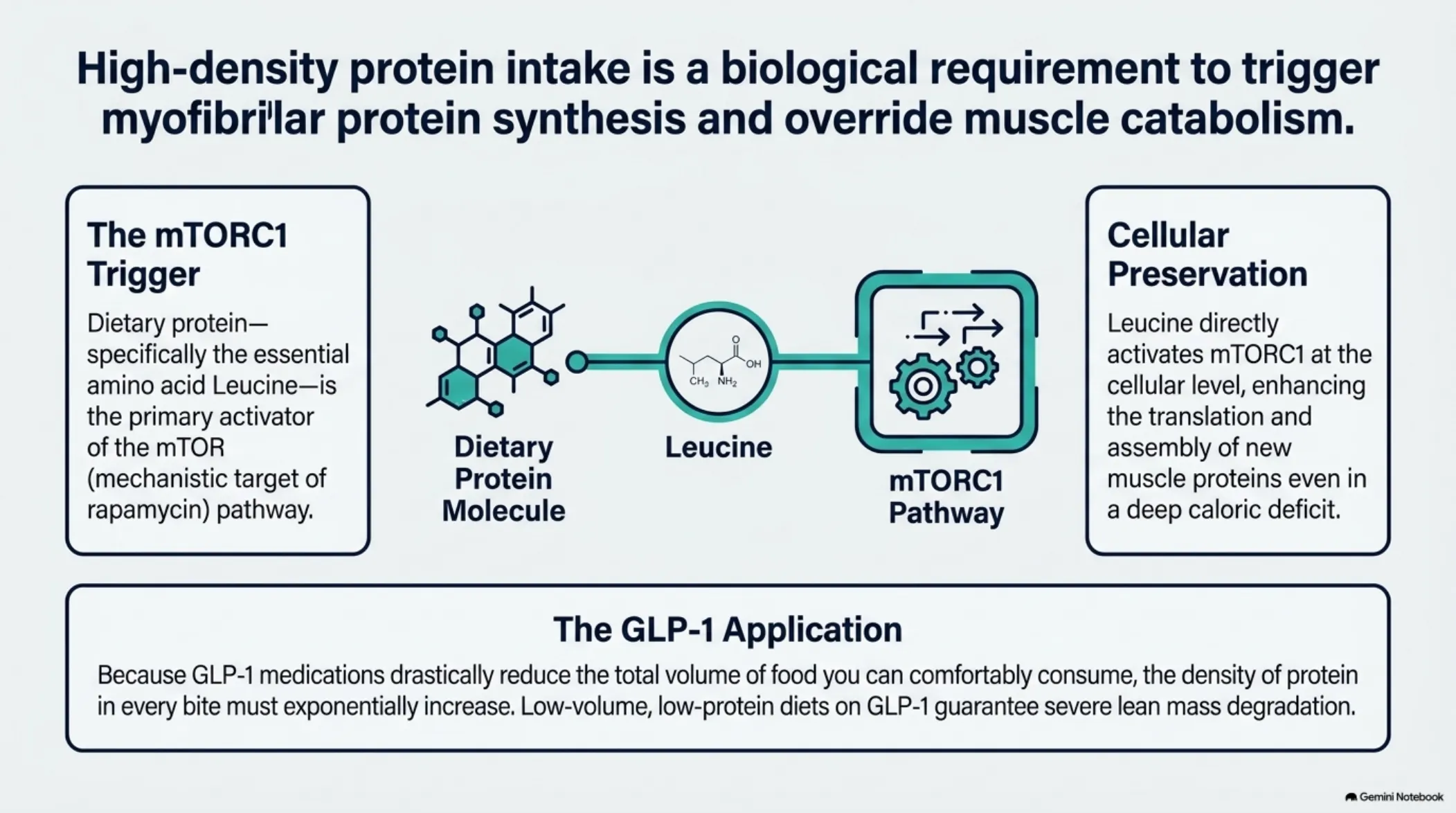
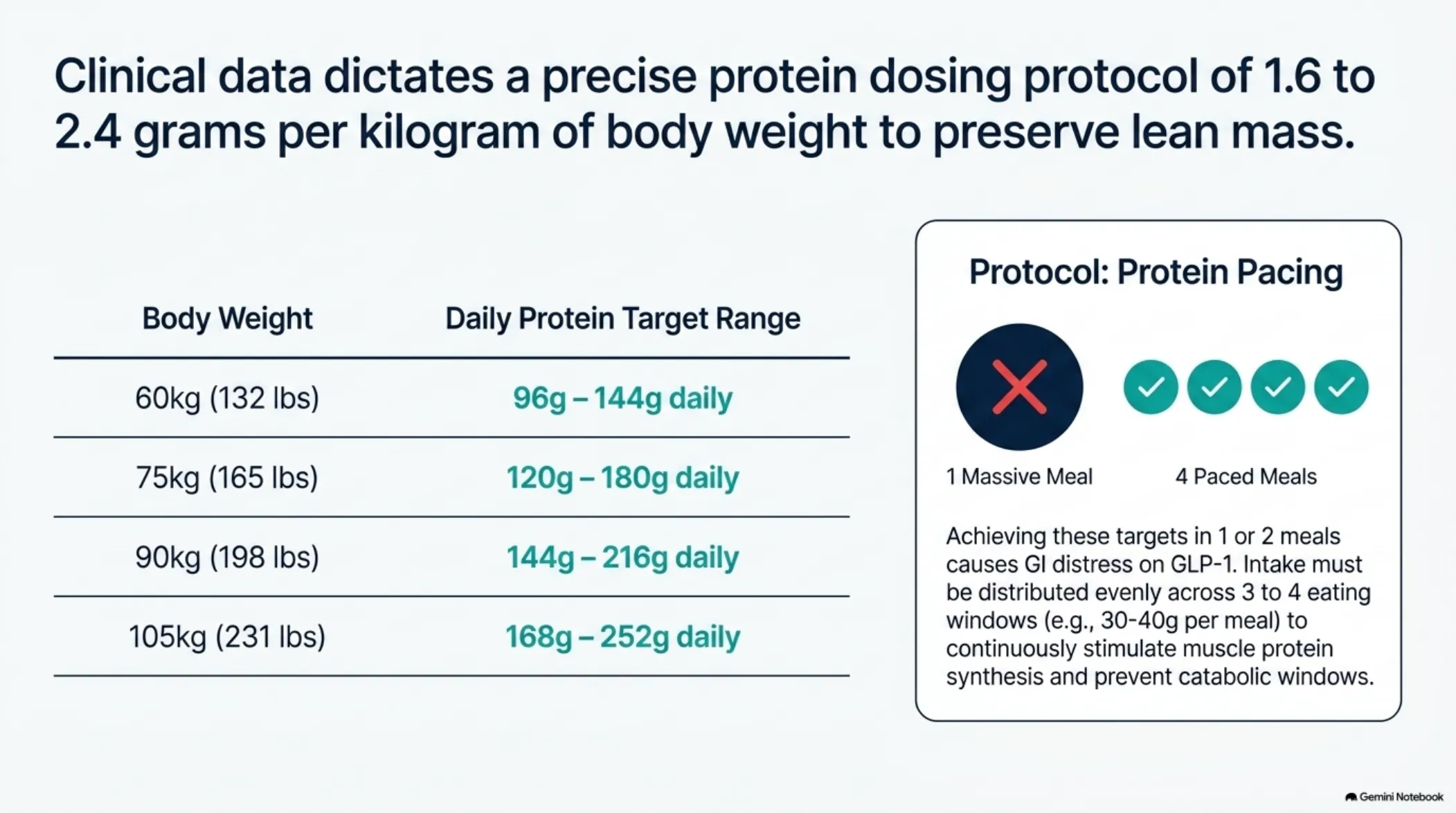
For endomorphs, GLP-1 treatment is often the most powerful tool because it directly addresses the insulin and appetite-hormone environment that makes fat loss hardest. Ectomorphs on GLP-1s must protect muscle aggressively — protein targets and resistance training become non-negotiable. Mesomorphs generally need the least adjustment but still benefit from consistent training through their weight-loss phase.
The short version
- A somatotype is defined as how the body is built and how it handles calories, hormones and exercise, which is why the same diet and GLP-1 dose can give different results.
- The comparison table lists ectomorphs as lean and linear with fast baseline metabolism and low baseline insulin, whose greatest risk is muscle loss in a deficit.
- Mesomorphs are given an athletic, muscular build with an elevated BMR from muscle mass and low vulnerability, needing balanced macronutrients and combined aerobic and strength training.
- Endomorphs are described as rounder and energy-efficient with a lower BMR and sensitivity to insulin, leptin and cortisol, at greatest risk of visceral fat storage under stress.
- The article says GLP-1 treatment is often most powerful for endomorphs because it addresses the insulin and appetite-hormone environment, while ectomorphs must protect muscle aggressively.
- Evansville evaluations are said to include metabolic and hormonal assessment, looking at baseline insulin sensitivity, stress hormones and body composition rather than a scale reading alone.
Why Evansville providers ask about your body type
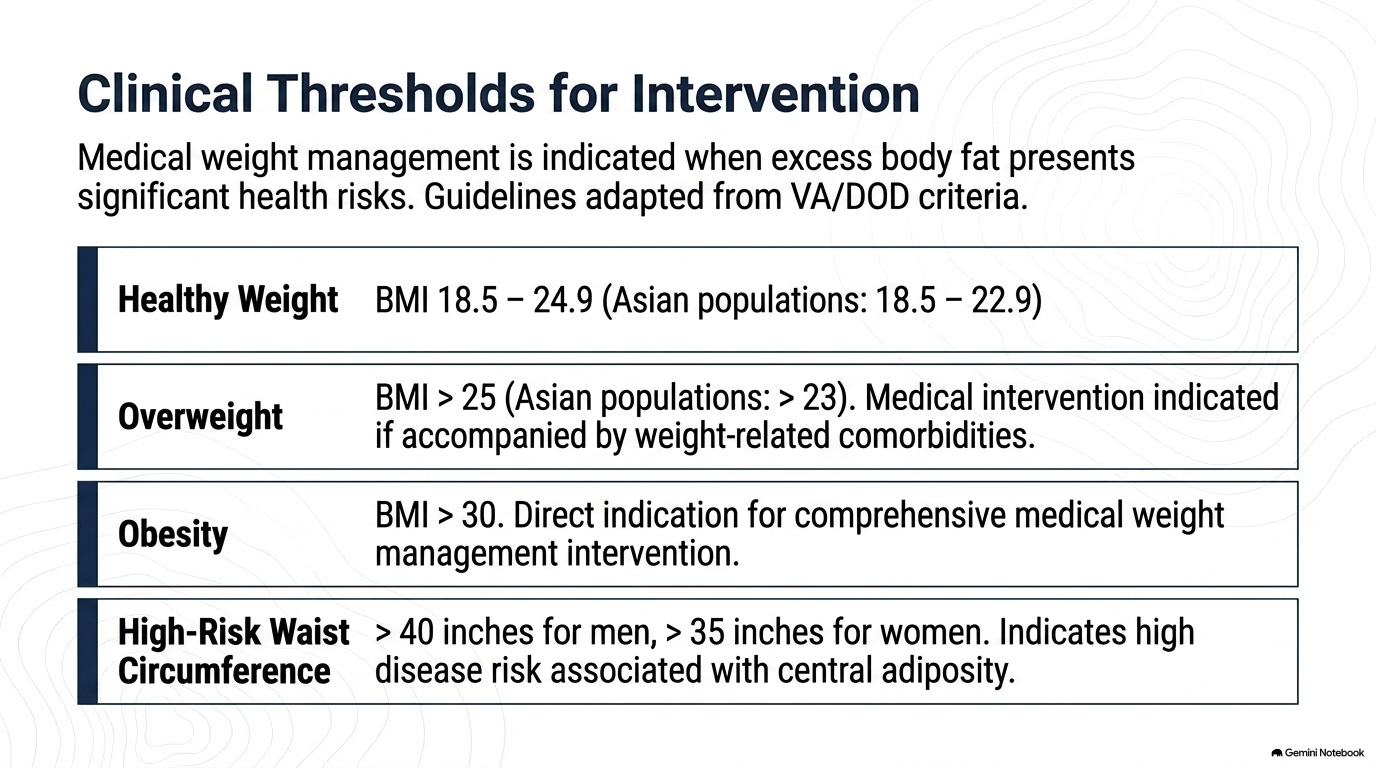
A proper weight-loss evaluation in Evansville includes a metabolic and hormonal assessment — not just a scale reading. Your matched Southwestern Indiana / Vanderburgh County providers look at baseline insulin sensitivity, stress hormones, and body composition to tailor the medication, nutrition, and exercise plan. That's the difference between losing weight and losing the wrong weight.
Get matched with Evansville GLP-1 providers who assess your body type — free matching at evansville-glp-1-weight-loss.pages.dev.

Visual Guide